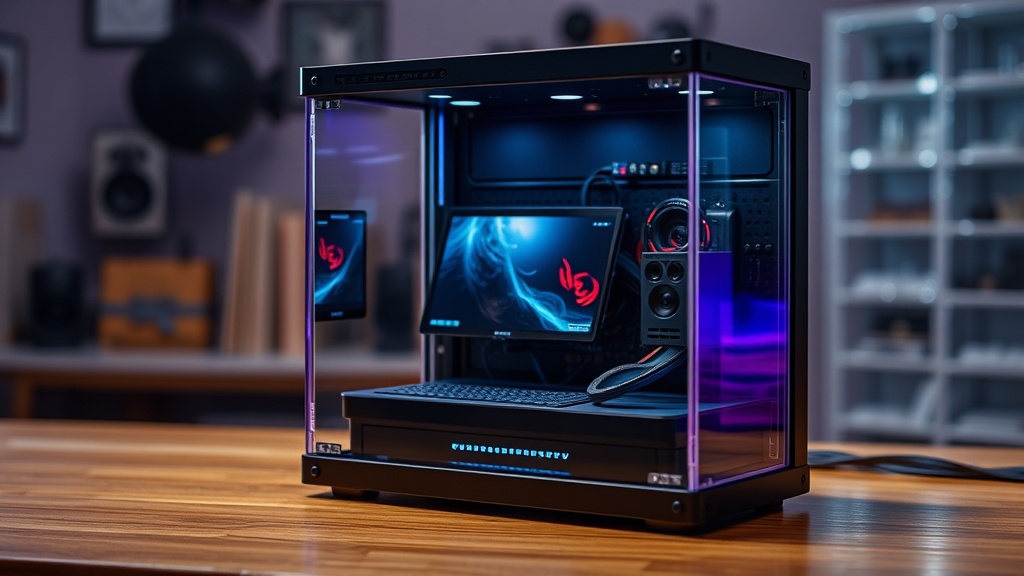
Building a High-End Handheld Display Case

Can You Actually Protect Your Collection with Standard Acrylic?
Many collectors think that slapping a few handhelds on a bookshelf or throwing them in a plastic bin is enough to keep them safe. They assume that as long as they aren't dropping the device, it's fine. That's a mistake. Ambient humidity, sunlight exposure, and even dust buildup can wreak havoc on the internal components and the external casing of your vintage hardware. A proper display isn't just about making things look pretty—it's about creating a controlled environment where your hardware can survive the decades.
When you start moving from a casual gamer to a serious collector, your needs change. You aren't just playing games anymore; you're preserving pieces of history. Whether you own a mint condition Game Boy Color or a rare translucent model, how you present these items determines their longevity. This guide focuses on the structural and environmental aspects of building a display that actually works for your collection.
What Materials Should You Use for Display Shelving?
The biggest mistake people make is choosing materials based solely on looks. While clear acrylic looks stunning under LED lights, it can sometimes be a magnet for static electricity, which pulls dust directly into your device's ports. If you're building a custom case, you need to consider the weight and the stability of the material.
If you're looking at custom-built wooden shelving, ensure the finish is non-reactive. Some cheap varnishes can off-gas, and those fumes aren't great for plastic-heavy collections. For those of us who love the look of glass, tempered glass is a much better option than standard glass. It's stronger, and if a shelf fails, it won't shatter into dangerous shards that could scratch your screen or damage the casing. You can check out some high-end display glass standards at the Glass Association of America to understand why material quality matters.
- Acrylic: Lightweight and easy to work with, but watch out for static.
- Tempered Glass: High durability and much safer for high-value collections.
- Wood: Great for a premium look, but ensure it's properly sealed to avoid moisture issues.
How Do You Manage Lighting Without Damaging Hardware?
Light is the silent killer of retro handhelds. UV rays from the sun or even certain types of artificial light can cause the plastic to yellow or become brittle. This is a massive problem for the classic gray Game Boy DMG or the vibrant colors of the Advance series. If you're building a display, you need to be intentional about your light source.
LEDs are your best friend here. Unlike older incandescent bulbs, LEDs produce very little heat and don't emit the same level of UV radiation. However, even with LEDs, you shouldn't leave your display under bright lights 24/7. It's much better to have a controlled, intermittent light setup. A smart plug or a motion sensor can ensure your collection is only illuminated when you're actually in the room looking at it. This prevents unnecessary heat buildup and keeps the plastic from degrading prematurely.
Placement Strategies for Longevity
Where you put your display case in your home is just as important as the case itself. Avoid placing your collection near a window, even if it's a north-facing one. Even indirect sunlight can cause thermal expansion in the plastic, which might lead to case separation over time. Another tip: keep your display away from heat vents or air conditioning units. Rapid temperature shifts are a nightmare for electronic components and battery compartments.
If you're serious about the environmental side, consider a small, silica gel packet hidden at the base of your display. It's a simple way to manage moisture levels, especially if you live in a more humid climate. Keeping things dry is the best way to prevent the internal components from corroding or the screen from developing "dead" spots caused by moisture seepage.
Does the Type of Display Case Affect the Internal Battery Life?
A common question I get is whether a display case can actually protect the internal batteries of a handheld. The short answer is: a display case protects the device, but it doesn't stop the battery from dying. If you leave a Game Boy in a display case with a battery inside, that battery is still going to eventually leak or die. In fact, the heat inside a sealed case—even a well-ventilated one—can actually accelerate the chemical breakdown of old batteries.
If you're displaying a device for long-term viewing, I highly recommend removing the batteries or using a dummy battery setup. This is a huge part of responsible collecting. A leaking battery can ruin a device faster than almost any other factor, and a display case won't stop a leak from happening. For more technical data on how batteries age, sites like Energy.gov offer great resources on chemical stability and safety.
When you're building your setup, think about accessibility. If you have to take the whole display apart just to change a battery or a single cartridge, you won't do it. Design your shelves or cases with a "quick-access" feature. This could be a removable back panel or a sliding front. It makes the maintenance of your collection much less of a chore. A collection that is easy to maintain is a collection that stays healthy.
| Display Type | Pros | Cons |
|---|---|---|
| Acrylic Box | Cheap, Lightweight | Static, Scratches easily |
| Glass Cabinet | Premium, Durable | Heavy, Expensive |
| Custom Wood Shelf | Aesthetic, Sturdy | Hard to build, Heat issues |
Ultimately, your goal is to create a space that respects the history of these devices. You aren't just a consumer; you're a curator. Treat your display as a museum-grade environment, and your handhelds will look just as good in twenty years as they do today.