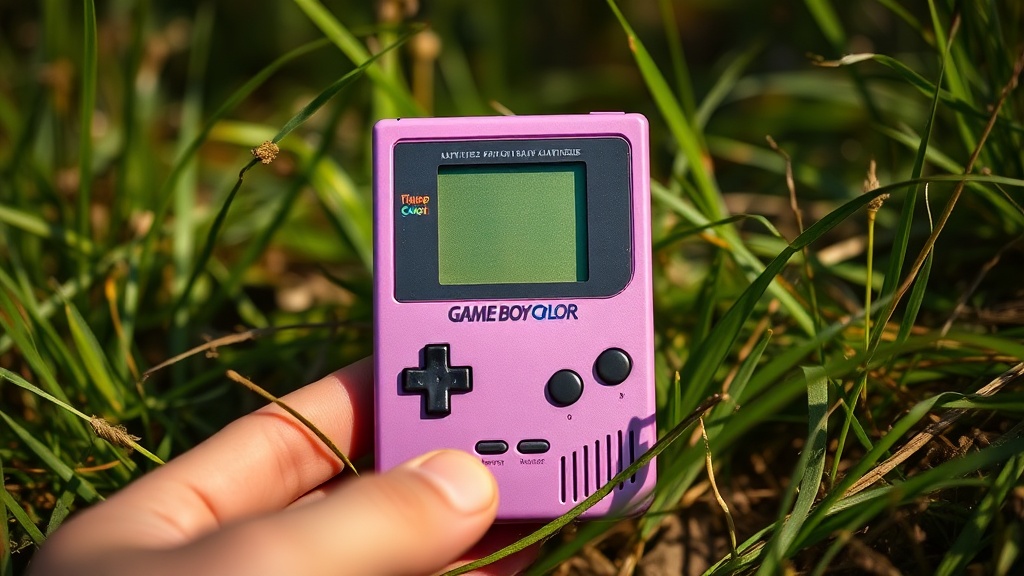
Finding Authentic Game Boy Color Cartridges in the Wild

Why Authenticity Matters for Your Collection
An estimated 30% of the used handheld market consists of some form of reproduction or counterfeit hardware. This isn't just a statistic; it's a reality for collectors who spend hard-earned money on what they think is a genuine piece of history. When you buy a fake, you aren't just losing money—you're losing the tactile precision and the actual code that defines the experience. A high-quality counterfeit might look right on a shelf, but it won't behave like the original software should. This guide focuses on the practical steps to verify your finds before you hand over your cash.
The Game Boy Color era was a golden age for developers, but it was also a period where bootleg manufacturers really found their footing. Identifying a genuine cartridge requires more than just a quick glance at the front label. You need to look at the weight, the texture, the way the light hits the shell, and the internal PCB (Printed Circuit Board). If you're hunting at flea markets or local-only shops, these details are your only defense against a bad investment.
How Do I Spot a Fake Game Boy Cartridge?
The first thing you'll notice when holding a real cartridge is the weight. Genuine Nintendo products have a specific heft to them. Many fakes feel hollow or strangely light because they use thinner plastic shells. If you're holding a cartridge and it feels like it's made of cheap, lightweight toy plastic, be suspicious.
Next, look at the label. Nintendo's printing processes during the late 90s were incredibly precise. The colors should be vibrant and the text sharp. On a bootleg, the text often looks slightly blurry, or the colors might seem "off" or overly saturated. Check the Nintendo seal of quality—it's a tiny detail, but a tells-all one. A crooked or strangely shaped seal is a massive red flag. You can check historical manufacturing standards via the Nintendo official archives to see what the original branding looked like.
The most reliable way to verify a cartridge is to look at the back. If you have a handheld or a console nearby, pop the cartridge in. If it displays a black screen or a generic error, it's likely a reproduction. However, some modern flash carts can emulate games perfectly. To be certain, you'll want to check the internal board. If you're comfortable opening the shell, look for the Nintendo logo etched into the PCB. Authentic boards usually have a very clean, standardized layout with specific markings. A mess of wires or a generic, unbranded green board is a sign of a fake.
What Are the Common Red Flags in Game Boy Color Software?
One major red flag is the presence of "glitchy" behavior that isn't part of the original game. While some original games have quirks, a bootleg might have broken menus or impossible-to-reach levels because the code isn't quite right. Another thing to watch for is the shell color. While there were many colors, if you see a shade that looks completely alien to the era, it might be a modern reproduction.
Pay attention to the cartridge's hinge or the way the plastic edges feel. Genuine Nintendo cartridges have a certain smoothness to their edges. If you feel sharp, jagged edges or realize the plastic is exceptionally thin, walk away. You can often find better documentation on hardware standards through enthusiast sites like IGN's retro gaming sections which often discuss hardware discrepancies.
The Checklist for Field Verification
- The Weight Test: Does it feel substantial or light?
- The Label Check: Is the text crisp or blurry?
- The Screw Check: Are the screws standard or non-standard?
- The Color Test: Does the shell color match historical records?
- The Play Test: Does it load immediately without errors?
Is It Worth Buying Repros for Display Only?
This is a common question in the community. If you're just looking to fill a gap in a display case and don't care about playing the game, a reproduction might seem tempting. However, from a collector's standpoint, a reproduction is a hollow shell. It lacks the history and the actual soul of the product. Most serious collectors find that a complete, even if slightly worn, original is much better than a pristine-looking fake.
If you do decide to buy a reproduction for aesthetic reasons, be transparent about it. Don't pretend a fake is real just to complete a set. The integrity of the hobby depends on being honest about what we own. A collection of fakes is just a collection of plastic; a collection of originals is a piece of gaming history.
When you're out in the field, always carry a small screwdriver and a portable handheld if possible. Being able to test the product on the spot is the only way to be 100% certain. It takes a little more effort, but it saves you from the headache of realizing you've been duped once you get home. Keep your eyes peeled for those subtle differences in texture and weight—they'll save your collection.