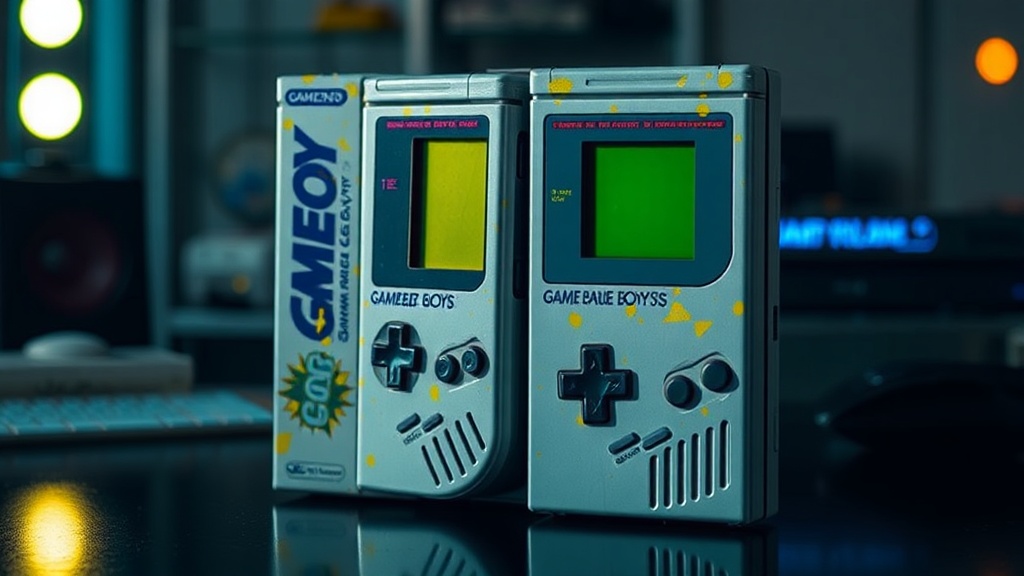
How to Protect Your Game Boy Boxes from Yellowing and Damage

Ever pulled a pristine Game Boy box out of storage only to find the corners crushed, the plastic window fogged, or that once-vibrant red cardboard faded to a sickly salmon? For collectors, the packaging matters as much as the hardware inside—sometimes more. Original boxes can double (or triple) a console's value, yet they're surprisingly fragile. Cardboard absorbs moisture. Clear plastic windows scratch if you look at them wrong. And that dreaded yellowing? It's not just for old console plastic anymore.
This guide covers practical, proven methods to preserve your Game Boy boxes and packaging materials. We're talking about CIB (complete-in-box) preservation—the kind that keeps your collection investment-grade while still letting you display it proudly. No museum-grade humidity controls required. Just smart habits and affordable materials any collector can source.
Why Do Game Boy Boxes Deteriorate So Quickly?
Nintendo's original Game Boy packaging wasn't built for longevity. The DMG-01 launch boxes used thin cardboard stock with glossy laminate overlays. That laminate cracks over time. The plastic windows? They're polystyrene—prone to yellowing when exposed to UV light and susceptible to scratches from dust (yes, dust can scratch plastic when dragged across the surface).
Then there's the structural issue. These boxes weren't designed to bear weight. Stack three or four CIB Game Boys and the bottom box starts compressing. The inner cardboard trays—those molded inserts holding the console—are even worse. They sag, they crease, and once they're damaged, replacement trays are nearly impossible to find authentic.
Humidity is the silent killer. Cardboard absorbs atmospheric moisture, expanding and contracting with seasonal changes. This weakens glue joints, causes warping, and creates the perfect environment for mold if your storage area runs damp. Even in dry climates, the natural oils on your fingertips can stain cardboard over repeated handling.
What's the Best Way to Store Game Boy Boxes Long-Term?
Individual protection beats bulk storage every time. Start with archival-grade plastic box protectors—specifically the PET (polyethylene terephthalate) cases designed for Game Boy DMG boxes. These rigid shells distribute pressure evenly, preventing stack compression. More importantly, they create a microclimate. Your box breathes less, meaning humidity fluctuations affect it more slowly.
Avoid PVC sleeves. They feel similar but release plasticizers over time—these chemicals can actually migrate into cardboard and cause discoloration. PET is inert. It won't off-gas or react with your packaging. Companies like RetroProtection and Video Game Box Protectors make sizes specifically for Game Boy boxes, including the slightly taller Super Game Boy and smaller Game Boy Pocket packaging.
Inside the protector, consider adding a silica gel packet—but not loose. Loose silica can spill, stain, and create abrasion points. Instead, use indicating silica gel cards (the flat, rigid type) slipped between the outer box protector and the cardboard itself. These absorb moisture without touching your box directly. Replace or recharge them every six months if you live in humid climates.
For the inner trays and manuals, acid-free tissue paper is your friend. Gently pad around the console cavity if the original styrofoam insert is missing. This prevents the box sides from collapsing inward. Never use regular tissue paper—it's acidic and will yellow your inserts over time. Archival tissue costs more but preserves value.
How Can You Display Game Boy Boxes Without Damaging Them?
Here's the collector's dilemma: boxes look incredible on shelves, but light destroys them. UV radiation breaks down the chemical bonds in both cardboard dyes and plastic windows. That pristine Game Boy box facing your window? It'll fade noticeably within two years of direct sun exposure.
The solution isn't hiding everything in drawers. Use UV-filtering acrylic display cases—or at minimum, position shelves away from direct sunlight. North-facing rooms are ideal for display. If you must use a sunny room, apply UV-filtering film to windows. It's cheaper than replacing rare variant boxes.
Avoid open-faced display stands that leave the box spine exposed to dust. Dust accumulation isn't just cosmetic—it creates abrasion when you move or clean the box. Enclosed display cases with doors, or individual acrylic cases, keep particulates out while still showing off that classic Nintendo branding.
For lit displays, use LED lighting exclusively. LEDs emit virtually no UV and minimal heat. Incandescent bulbs cook your boxes slowly—heat accelerates cardboard aging and can warp plastic windows over time. Position lights to illuminate without directly hitting the box faces.
Handling Boxes Safely
Every time you touch a box, you risk damage. The oils on your fingers transfer to cardboard. Sharp edges catch on rings or watch straps. Even clean hands leave microscopic debris that builds up over years.
Get in the habit of handling boxes at the edges—not the faces. Support the bottom with one hand while steadying the top with the other. Never grip by the plastic window; it's glued in and can separate from the cardboard with pressure. If you're photographing your collection (and you should, for insurance purposes), wear cotton gloves. They feel silly but prevent the gradual staining that ruins high-grade collectibles.
When removing a Game Boy from its box, pull the inner tray out completely first. Don't reach into the box blindly—your knuckles will catch on the cardboard flap edges and create creases. Store the console separately if you're actively playing it; the insertion and removal process causes inevitable wear to the inner tray and plastic window.
Can You Reverse Existing Damage to Game Boy Packaging?
Sometimes. Light yellowing on plastic windows responds to retrobright treatment—but it's risky on packaging plastic, which is thinner and more brittle than console shells. The hydrogen peroxide solution can seep under window edges and damage the cardboard backing. If you attempt this, remove the window entirely first (carefully heating the glue with a hair dryer), treat it separately, then reattach with archival-quality adhesive.
Cardboard creases are permanent. You can minimize their appearance by humidifying the box slightly (using a humidity chamber—not direct moisture) and pressing flat with weights, but the fiber damage remains. This is why prevention matters so much more than restoration when it comes to boxes.
For minor corner wear, archival repair tape exists—but use it sparingly. Every repair reduces authenticity for serious collectors. Sometimes accepting minor wear is better than visible intervention. The Video Game History Foundation maintains excellent resources on when to repair versus preserve original condition.
Water damage is usually terminal. If a box gets wet, don't panic-dry it with heat. Blot gently with absorbent cloth, then air-dry slowly between sheets of acid-free paper with light pressure. Fast drying causes warping. Sometimes professional paper conservators can help, but for standard Game Boy boxes, the cost usually exceeds replacement value—unless it's a rare variant like the Canadian bilingual box or the Japanese limited editions.
What About Specialized Storage for Rare Variants?
Standard DMG boxes fit most protectors, but the Game Boy ecosystem has weird outliers. The Game Boy Light (Japan-only) came in taller boxes that need custom sleeves. The Game Boy Camera and Printer used unusual packaging shapes. The Australian and European boxes often differ slightly in dimensions from North American releases.
For these, measure twice before buying protectors. Slightly loose is better than tight—pressure points cause creasing. Custom acrylic cases exist for truly rare items (like the gold Zelda Game Boy Advance SP boxes), but expect to pay $30-50 per case versus $2-3 for standard PET protectors.
Consider digital documentation too. High-resolution photography of every box angle, including close-ups of condition issues, serves multiple purposes. Insurance claims require proof of condition. Selling requires accurate representation. And if disaster strikes, at least you have visual records of your collection's peak state. The PriceCharting database tracks grading standards that can help you document condition consistently.
Collecting Game Boy hardware is satisfying. Collecting the complete packaging—that's preservation of gaming history. These boxes represented a moment when handheld gaming changed forever. Protecting them isn't just about investment value. It's about keeping tangible connections to that era intact for the next generation of collectors who'll wonder what it felt like to unbox a Game Boy for the very first time.