How to Ship Game Boy Collectibles Without Damaging the Value

You just scored a complete-in-box copy of Kirby's Dream Land 2 on an auction site. The photos look pristine—the cartridge sticker gleams, the manual sits crisp and unread, and the box shows minimal shelf wear. You hit "Buy It Now" without hesitation. Three days later, a padded envelope arrives. Inside, your "mint" game rattles around loose, the box corners are crushed, and the manual bears a mysterious crease down the middle. The seller swore they packed it carefully. They didn't.
Shipping damage destroys more collectible value than age, sunlight, or dust combined. For Game Boy collectors—whether you're buying, selling, or trading—knowing how to properly package these items isn't optional knowledge. It's the difference between preserving a $200 complete-in-box title and receiving a $40 loose cartridge with decorative cardboard.
What Packaging Materials Actually Protect Game Boy Games?
Not all bubble mailers deserve your trust. That thin polyethylene envelope from the post office? It offers about as much protection as a paper towel. When shipping Game Boy cartridges, boxes, or consoles, you need materials rated for impact resistance and structural integrity.
Start with corrugated cardboard boxes rated at least 200# test strength or 32 ECT (Edge Crush Test). These specifications ensure the box won't collapse under pressure or during transit. For single cartridges—especially loose ones—pair a small cardboard box with anti-static bubble wrap. Static electricity won't destroy your save files (that's a myth), but it can attract dust and debris that scratches labels over time.
For complete-in-box games, invest in cardboard inserts that match your game's dimensions. Custom-cut pieces—roughly 4.5" x 4" for standard Game Boy boxes—slide inside to prevent the cartridge from shifting. Without this bracing, the plastic shell grinds against cardboard during transit, creating those telltale wear marks that drop condition grades from "Near Mint" to "Very Good."
Don't forget the void fill. Biodegradable packing peanuts work well for larger shipments, but crumpled kraft paper provides better rigidity for smaller boxes. Avoid newspaper—the ink transfers easily and stains paper materials like manuals and inserts. For high-value items (think $500+ complete-in-box titles), double-boxing adds an insurance layer: place your packed game box inside a slightly larger box with two inches of cushioning between them.
Where do you source these materials? Uline stocks corrugated boxes in virtually every dimension, while Bags Unlimited specializes in archival-grade materials for collectors. Local game stores often discard sturdy shipping boxes—ask nicely, and they'll usually hand them over for free.
How Do You Package Game Boy Consoles for Safe Transit?
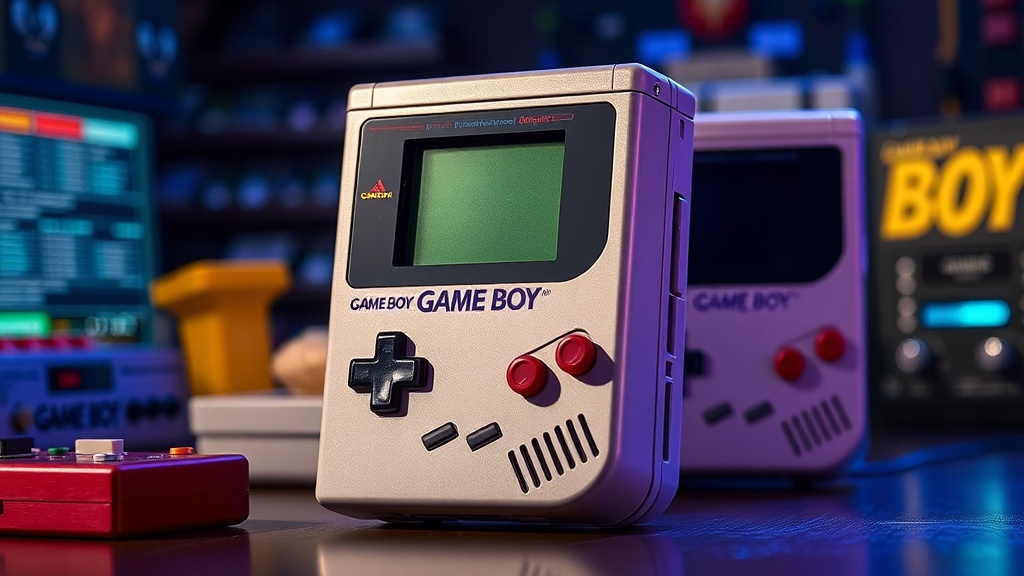
Consoles present unique challenges. Their plastic shells crack under pressure. Screens scratch from contact. Battery compartments house corroded terminals that leak during temperature shifts. Shipping a Game Boy—especially original "brick" models or the fragile Pocket—requires methodical preparation.
First, remove all batteries. Corrosion risks aside, lithium cells can swell or leak during air transit. Wrap the console in anti-static bubble wrap—two full layers minimum—paying special attention to the screen. For original Game Boys and Colors, the screen protrudes slightly; add a cardboard "screen protector" cut to size before wrapping.
Position the console in your box with the screen facing upward. Never stack heavy items on top—gravity works during shipping, and a crushing force from above cracks plastic faster than you'd think. Surround the wrapped console with rigid foam inserts or tightly packed paper. The goal? Zero movement when you shake the closed box.
For consoles with original packaging—those glorious complete-in-box units collectors dream about—ship the console separately from its box. Yes, it costs more. Yes, it's worth it. Stuffing a bubble-wrapped console into a cardboard box strains the original packaging's structural integrity. The plastic tray cracks, the cardboard corners fatigue, and you've degraded a "Complete" item to "Box + Console" status.
Consider the shipping method, too. USPS Priority Mail includes $50-100 of insurance depending on service level, but their "Fragile" stickers mean approximately nothing to conveyor belts. Write "Electronic Device — Handle With Care" on multiple sides. It won't guarantee gentle treatment, but it improves your odds marginally.
What's the Best Way to Protect Manuals and Inserts During Shipping?
Paper goods—manuals, promotional inserts, registration cards—represent the most fragile components of Game Boy collecting. A single bent corner drops a manual from "mint" to "acceptable" in grading terms, and creases never reverse. Yet sellers routinely toss these items loose into boxes, expecting them to survive cross-country journeys.
Rigid mailers serve as your first defense. These cardboard-backed envelopes—often called "photo mailers" or "document protectors"—prevent bending forces from reaching paper contents. For standard-sized Game Boy manuals (roughly 4.75" x 5.25"), 6" x 8" rigid mailers provide adequate coverage without excessive bulk.
Never place loose manuals directly against plastic cartridges. The cartridge's edges act like blades during transit, slicing into paper. Instead, slide manuals into polyethylene sleeves—archival-quality, acid-free versions for long-term storage, or standard clear sleeves for shipping protection. Then place the sleeved manual between two pieces of cardboard slightly larger than the document itself. This "sandwich" distributes pressure evenly.
For posters and large promotional materials—common with Japanese Game Boy releases—use mailing tubes with plastic end caps, not the crush-prone cardboard caps. Roll materials loosely; tight rolling creates permanent curl that refuses to flatten. Place the rolled item inside a plastic sleeve first to prevent tube debris from scratching surfaces.
Humidity poses another threat. Paper warps when exposed to moisture, and condensation forms inside packages during temperature transitions. Include a silica gel packet with shipments containing paper goods—especially if shipping between climates. Just ensure the packet doesn't contact documents directly; tape it to the inside of the packaging.
How Should You Label and Insure High-Value Shipments?
Insurance isn't paranoia—it's mathematics. That complete-in-box Shantae shipment represents a four-figure investment. Standard carrier insurance often caps at $100-200 unless you declare higher values, and "declared value" coverage differs from true insurance. Understand what you're purchasing.
USPS Registered Mail offers the highest security level for domestic shipments, requiring signature confirmation at every transit point. It's slow—sometimes agonizingly so—but virtually loss-proof. For international Game Boy shipments, Pirate Ship (which accesses USPS Commercial Pricing) or specialized collectibles insurers like CollectInsure provide coverage that standard carrier policies exclude.
Documentation matters when claims arise. Photograph the item's condition before packing—multiple angles, clear lighting, timestamp enabled. Photograph the packing process: empty box, item placement, cushioning addition, sealed box. These images prove condition at departure and proper packing methodology if disputes occur.
Label placement seems trivial until a label peels off in a sorting facility. Use thermal-printed labels (not inkjet, which smears) covered with clear packing tape. Affix labels to the largest flat surface—never across seams or edges where folding occurs. Include a duplicate address label inside the package in case external labels fail.
For extremely valuable Game Boy lots—prototype cartridges, sealed promotional items, complete system collections—consider third-party grading services like CGC (Certified Guaranty Company). Their tamper-evident cases provide structural protection during shipping, and their insurance options cover items in transit to and from their facilities.
Addressing Common Shipping Mistakes
Even experienced collectors slip up. The most frequent error? Underestimating box size. Small boxes get crushed in sorting equipment; oversized boxes allow contents to shift. Measure your packed item's dimensions, then select a box providing 1-2 inches of extra space on each side—filled completely with cushioning.
Another mistake involves tape selection. That discount tape from the dollar store? It loses adhesion in temperature extremes. Use pressure-sensitive plastic tape rated for shipping—3M Scotch 371 or similar—applied in three strips across box seams. Paper tape (water-activated) provides superior strength for heavy shipments but requires proper application technique.
Finally, resist the urge to declare contents as "Video Games" on customs forms for international shipments. Use "Collectible Plastic Items" or "Vintage Electronics" instead. The term "games" triggers duty calculations in certain regions and invites theft. Accurate valuation matters for insurance; accurate description protects against targeting.
Your Game Boy collection deserves better than a padded envelope and prayer. Whether you're the sender or receiver, insisting on proper packaging protocols preserves the integrity—and value—of every cartridge, console, and complete-in-box treasure you handle. The next time that auction win arrives, you'll know exactly what to demand from sellers and what standards to meet when passing items along.