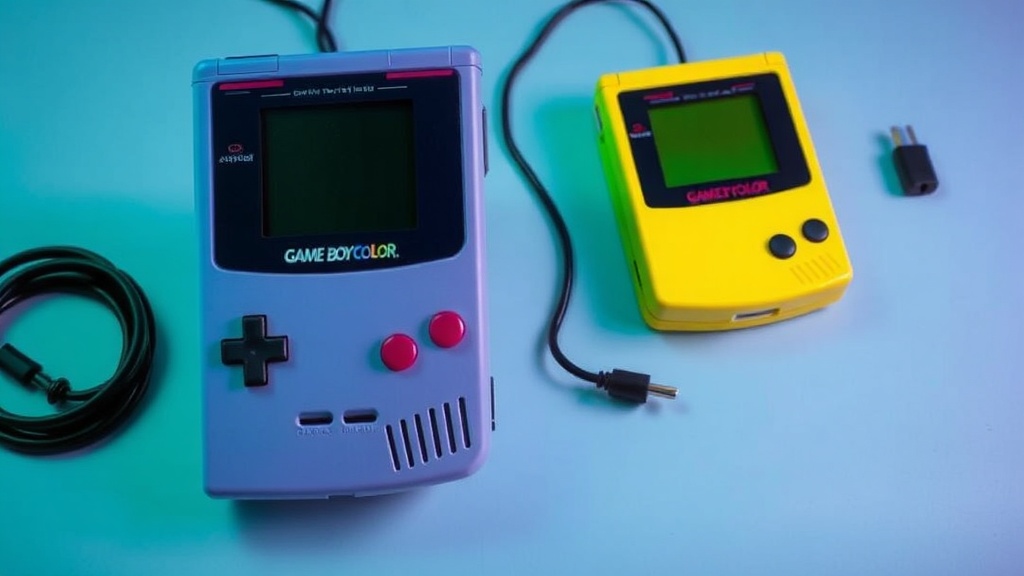
Identifying Authentic Game Boy Color Accessories and Peripherals

Are you worried about buying a fake accessory?
Have you ever scrolled through an online marketplace and wondered if that shiny new accessory is actually a licensed piece of Nintendo history or just a cheap, unbranded knockoff? It’s a common anxiety for collectors. Whether you’re looking for a Game Boy Color Link Cable, a specialized carrying case, or a specific peripheral, the market is flooded with low-quality replicas that look convincing in a single photo but fall apart upon inspection. This post breaks down how to spot the real deal and avoid the pitfalls of the counterfeit market.
The history of the Game Boy Color era was defined by a massive influx of third-party peripherals. Companies like Tap! and various unnamed manufacturers produced everything from specialized cases to light grams. While some of these are legitimate vintage items, the rise of modern manufacturing means many "vintage-looking" items are actually brand-new, low-quality reproductions. Knowing the difference isn't just about being a stickler for detail—it's about protecting your investment and ensuring your hardware actually works with the gear you buy.
What are the signs of a counterfeit Game Boy Color Link Cable?
The Link Cable is one of the most frequently faked items in the handheld space. A genuine Nintendo-branded cable has a specific weight and tactile feel. If you hold a cable in your hand and it feels incredibly light or flimsy—almost like thin plastic wire—you might have a replica. Genuine cables often have a slightly thicker, more rubberized texture that feels durable.
Check the connector ends closely. A real Nintendo Link Cable will have the Nintendo logo or a very clean, high-quality mold around the plug. Many fakes have rough edges or uneven seams where the plastic meets the wire. If the text on the cable is blurry or looks like it was printed poorly, stay away. You can often verify technical specs or compatibility via Nintendo's official archives or collector databases to see what the original dimensions should look like. If the cable doesn't have a certain "snap" when it connects to your Game Boy Color, it's likely a cheap imitation.
How do I know if a carrying case is an original product?
Carrying cases are a massive part of the handheld collecting experience, but they are also easy to fake. Original Nintendo-branded cases or high-quality third-party ones (like those from official partners) usually have a certain structural integrity. If you press on the side of the case and it feels like thin, cheap polystyrene that might crack under pressure, it’s a red flag.
Look for the branding on the interior or the zipper pull. Most authentic vintage cases will have a molded logo or a very clear, crisp print. If the logo looks slightly off-center or the font is even a tiny bit different from what you see in professional photography, be cautious. Many collectors use sites like eBay to compare current listings with known authentic examples. A great way to check is to look at the weight; official accessories almost always feel more substantial than the hollow, light-weight versions found in modern discount bins.
The Importance of Packaging and Manuals
If you are buying a "complete in box" (CIB) accessory, the packaging is your biggest clue. Authentic Nintendo packaging from the late 90s used a specific type of cardstock and ink. If the colors look washed out or the glossy finish looks like a modern inkjet print, you're looking at a reproduction. The edges of the boxes should be sharp—not rounded or fuzzy. Many modern fakes use a lower grade of cardboard that bends easily under even slight pressure.
Don't forget to check the manuals. A real manual has a certain paper weight and a specific smell (even if that's a bit strange to mention). The printing should be high-resolution. If you see any pixelation in the illustrations or if the text feels grainy, it's a sign of a modern scan or a low-quality reproduction. A collector's goal is to maintain the integrity of their collection, and a fake manual can drastically lower the value of a set.
Testing Hardware Compatibility
Sometimes, a fake accessory isn't just a visual issue—it's a functional one. A counterfeit peripheral might look right, but it might not actually play nice with your Game Boy Color. This is particularly true for items that involve data transfer or power. A fake battery pack or an unofficial power adapter could potentially damage your handheld's internal components if it doesn't regulate voltage correctly. Always prioritize items that are documented as being high-quality or original to ensure your hardware remains safe.
When searching for these items, look for detailed descriptions. If a seller says "looks like a Nintendo accessory" instead of "Authentic Nintendo Accessory," they are likely hedging their bets because they don't actually know what they have. It's always better to pay a little more for a verified item than to spend money on a piece of plastic that won't even function with your console. Keeping an eye on community forums and specialized collector groups can also provide you with real-world photos of authentic items to compare against your potential purchases.