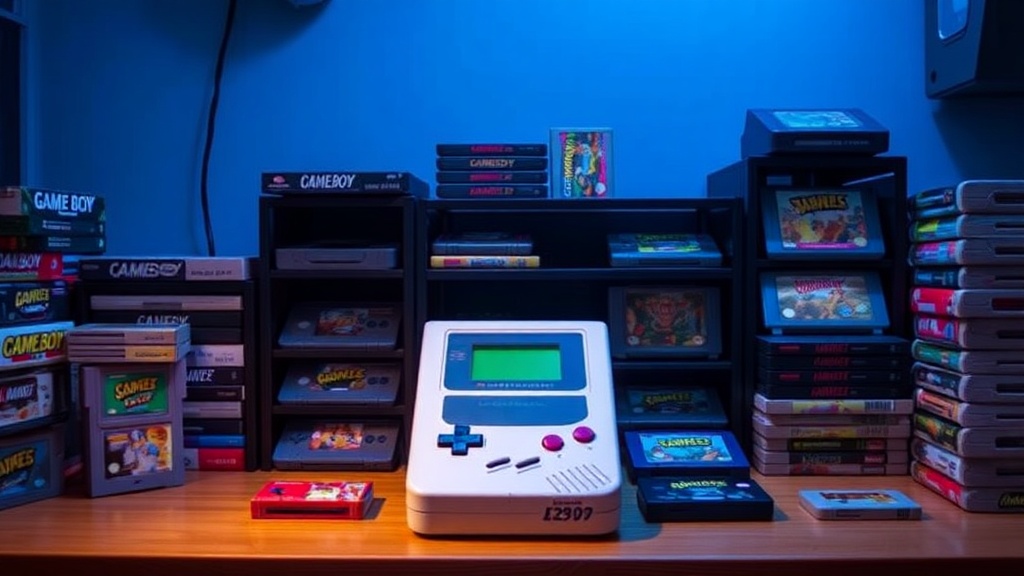
The Right Way to Store Your Gameboy Cartridge Collection

Quick Tip
Always store Gameboy cartridges upright in protective cases away from direct sunlight and humidity to prevent label fading and contact corrosion.
What's the Best Way to Store Gameboy Cartridges Long-Term?
Storing Gameboy cartridges properly prevents the slow death of plastic and silicon—battery corrosion, label damage, and connector oxidation are the silent killers that turn rare finds into paperweights. This guide covers the storage methods that actually work, from basic protection for casual collectors to archival-grade solutions for high-value Pokemon and limited editions. You'll learn which cases preserve labels, how to control humidity without expensive gear, and why vertical storage beats horizontal stacking every time.
Should You Store Gameboy Games in Their Original Boxes?
If you've got the original boxes—yes, absolutely use them. Nintendo's cardboard packaging from the 90s and early 2000s provides structural protection that modern plastic cases can't match, especially for the labels. The catch? Boxes deteriorate if stored poorly.
Here's the thing: cardboard needs breathing room. Stacking heavy boxes crushes the ones at the bottom. Store boxed cartridges in BCW Comic Book Storage Boxes—they're sized right and acid-free. For loose cartridges, skip the Ziploc bags (they trap moisture) and go with RetroUSB's rigid snap cases or the classic BitBoxes from Stone Age Gamer. Both seal tight enough to keep dust out without creating condensation.
Do Gameboy Cartridge Batteries Die in Storage?
They do—and dead batteries can leak, destroying your save files and possibly the board itself. SRAM-based games (Pokemon, Zelda, most RPGs) drain their CR2025 batteries over time whether you play them or not. Worth noting: you can't prevent eventual drain, but you can monitor and replace before catastrophe strikes.
Check battery voltage every 18-24 months using a simple multimeter. Anything below 2.8V means replacement time. For the paranoid collector, the GB Operator from Epilogue doubles as a cartridge reader and backup tool—dump those saves before the battery gives out. Storage temperature matters too: aim for 60-70°F with humidity between 30-50%. Toss a few silica gel packets in your storage container. Replace them when they turn pink.
Is Vertical or Horizontal Storage Better for Gameboy Cartridges?
Vertical wins—labels stay readable and there's zero pressure on the connector pins. Horizontal stacking puts weight on the cartridge edges, which can warp the plastic shell over years.
| Storage Method | Best For | Cost (per cartridge) |
|---|---|---|
| RetroUSB snap cases | Loose games, daily access | $1.50 |
| BitBox (Stone Age Gamer) | Collection display, shelf storage | $4.00 |
| BCW Storage Box + foam inserts | High-volume, archival | $0.75 |
| Original Nintendo boxes in comic bins | Complete-in-box collections | $8.00 (bin amortized) |
That said, don't get too precious about it. A shelf of games in decent cases, kept dry and out of direct sunlight, will outlast you. The hobby's supposed to be fun—not a climate-controlled vault operation.