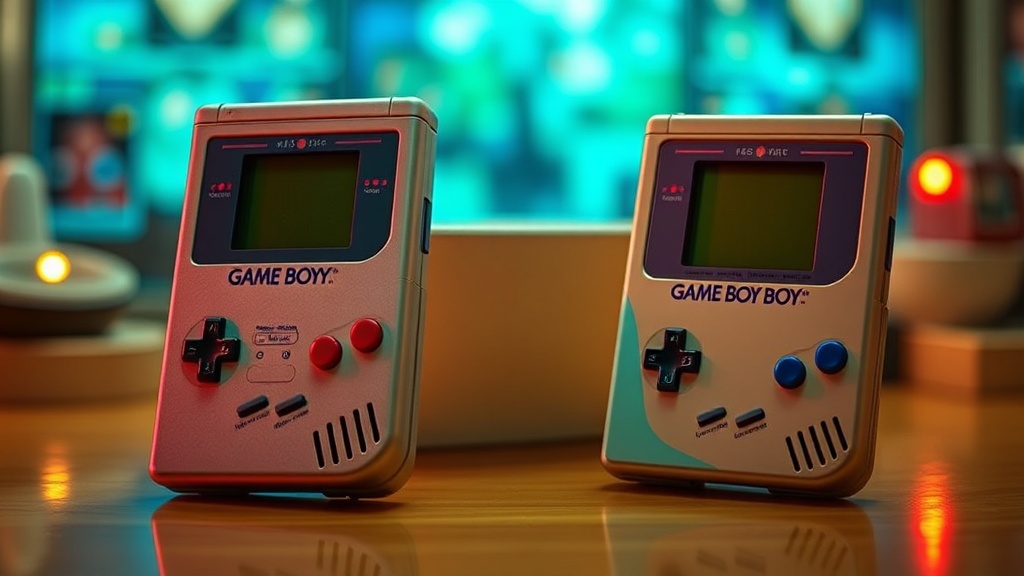
Why Japanese Game Boy Imports Are Quietly Becoming Collector Favorites

Japanese copies of Pokémon Red often sell for 40% less than North American versions on the secondary market — sometimes arriving in better condition despite being thirty years old. This price gap isn't limited to common titles; it stretches across the entire Game Boy library, from mainstream Mario releases to obscure puzzle games most Western collectors have never encountered. Import collecting has shifted from a niche pursuit into a practical strategy for building substantial collections without draining savings accounts.
This post examines why Japanese Game Boy releases deserve serious consideration from collectors at every budget level. We'll cover the practical differences between regional releases, where these games come from, what you should watch for when buying internationally, and how much money you might actually save. Whether you're staring at your first import purchase or considering a complete pivot to Japanese collecting, understanding these dynamics matters — especially as the retro gaming market continues its upward climb.
What's the Real Difference Between Japanese and North American Cartridges?
Japanese Game Boy cartridges carry distinct visual fingerprints that separate them from Western releases. The plastic shell often appears slightly lighter in color — a subtle gray with faint blue undertones compared to the deeper charcoal of North American carts. Flip them over and you'll notice Nintendo manufactured Japanese cartridges with slightly different mold markings, sometimes including production dates stamped into the plastic rather than just molded text.
Labels tell the most obvious story. Japanese releases feature the game title in Japanese characters alongside English text for many titles. (Pokémon games display "POCKET MONSTERS" prominently with smaller Japanese text beneath.) The artwork sometimes differs significantly — Super Mario Land 2 features Mario in slightly different poses, and some Konami releases use entirely alternate cover illustrations for the domestic market.
Most importantly for collectors: Japanese cartridges lack the "Official Nintendo Seal of Quality" that Western gamers recognize immediately. Instead, they carried different rating and approval marks from Nintendo's Japanese divisions. This absence sometimes confuses new collectors who mistake authentic Japanese games for reproductions — but it's perfectly normal for the region.
The hardware inside remains functionally identical. Nintendo designed the original Game Boy as a region-free system — Japanese cartridges play without issue in North American hardware, European consoles, and modern devices like the Analogue Pocket. The Game Boy Color maintained this universal compatibility. You're getting the exact same silicon and save battery technology regardless of where the cartridge originated.
Why Do Japanese Boxes and Manuals Survive in Better Condition?
Japanese collecting culture treats video game packaging fundamentally differently than Western markets. During the 1980s and 1990s, Japanese consumers viewed game boxes as part of the product worth preserving — not disposable cardboard to discard immediately. Families stored cartridges in their original packaging between play sessions, often keeping instruction manuals in protective plastic sleeves or stored separately from the carts themselves.
This cultural difference shows in survival rates. Walk through Akihabara's retro shops or browse Yahoo Auctions Japan and you'll find complete-in-box Super Mario Land copies that look like they sat undisturbed since 1989. Boxes display sharp corners, vibrant colors, and manuals free from the pizza stains and creases that plague Western secondhand markets.
Climate considerations matter too. Japan's homes generally maintain more consistent humidity levels than many North American regions, reducing the cardboard warping and label peeling that damages older packaging. Japanese game boxes also used slightly different cardboard stock — a bit denser and more resistant to edge wear than their Western counterparts.
For collectors who display their games, Japanese boxes offer practical advantages beyond condition. They're dimensionally smaller than North American packaging — roughly 4.3 inches square versus 4.75 by 5.25 inches. This size difference means you can fit more Japanese boxes per shelf foot, and they display with a uniformity that mismatched Western box sizes sometimes lack. (Early Game Boy boxes in North America came in multiple sizes depending on publisher, creating visual clutter on organized shelves.)
How Much Money Can You Actually Save Buying Japanese Imports?
The price differences aren't theoretical — they're substantial enough to reshape how you approach collection building. A loose copy of Pokémon Red currently commands $45-65 on North American secondary markets depending on label condition. Japanese versions of the same game — functionally identical, often with better labels — regularly sell for $15-25. That's a 60% savings on one of the most recognizable titles in portable gaming.
Super Mario Land 2: 6 Golden Coins illustrates this pattern perfectly. North American loose copies hover around $25-35. Japanese versions? $8-15 shipped if you buy smart from Japanese sellers. When you're building a collection of thirty or fifty games, these gaps compound into hundreds of dollars in savings.
Even rare titles show favorable pricing. Game Boy Wars — the military strategy game that eventually spawned Advance Wars — never released in North America during the original Game Boy era. Japanese copies sell for $30-50 complete in box. Compare that to rare North American titles like Trip World ($300+) or the original Mega Man games ($100-200 each), and Japanese collecting opens doors to "rare game" aesthetics without the accompanying credit card debt.
PriceCharting data shows Japanese Game Boy titles appreciating at roughly 8-12% annually compared to 15-20% for their North American counterparts — slower appreciation means better entry points for new collectors, though potentially lower long-term investment returns if you're buying purely for speculation rather than enjoyment.
Are There Any Hidden Downsides to Collecting Japanese Releases?
Language barriers exist, though modern collectors often overstate their impact. Pokémon games include English text options even in Japanese releases — Nintendo anticipated tourist and import sales. Platformers like Kirby's Dream Land, Super Mario Land, and Donkey Kong need absolutely no reading comprehension to enjoy fully. The platforming language is universal.
But RPGs present real challenges. Games like Final Fantasy Legend, The Legend of Zelda: Link's Awakening (Japanese text version), and Dragon Quest Monsters remain Japanese-language heavy. You can stumble through with translation guides — the Game Boy library has extensive fan documentation online — but it's not the same carefree experience as popping in an English cartridge.
Save batteries differ between regions in subtle ways. Japanese releases sometimes used slightly different battery models or mounting configurations than Western counterparts. Replacement is usually straightforward if you solder, but some collectors report Japanese cartridges being slightly more finicky about accepting modern CR2032 tabbed batteries compared to North American versions.
Shipping costs can undermine your savings if you're not strategic. Buying single $10 cartridges from Japanese eBay sellers often means $12-18 in shipping per item. The math only favors importing when you buy multiple games from one seller, use proxy services to consolidate Yahoo Auctions purchases into single shipments, or buy from US-based importers who've already absorbed those costs.
Where Should You Look for Authentic Japanese Game Boy Games?
eBay serves as the most accessible entry point. Search "Game Boy Japanese" and filter by "Sold Items" to establish fair market values before buying. Prioritize sellers based in Japan with 500+ positive feedback scores — they typically photograph actual inventory rather than using stock images, and their condition descriptions tend toward honesty (Japanese seller culture emphasizes accurate representation).
Proxy services unlock Japan's domestic marketplaces. Buyee, ZenMarket, and From Japan provide English interfaces for Yahoo Auctions Japan, Mercari Japan, and Rakuten — platforms with inventory levels that dwarf Western availability. These services charge per-item fees ($3-5) plus consolidated shipping, but you gain access to Japanese pricing without Western reseller markups. A lot of twenty common games might cost $40 plus shipping — individual purchases of the same titles on Western eBay could run $150+.
US-based retro game shops increasingly stock import sections. West Coast stores in Los Angeles, San Francisco, and Seattle maintain strong Japanese community connections and regularly receive fresh inventory. You'll pay 20-30% more than direct-from-Japan pricing, but you eliminate international shipping waits, avoid customs uncertainty, and can inspect cartridges in person before purchasing.
Red flags for counterfeit Japanese games mirror Western concerns — labels that look freshly printed rather than aged, plastic that feels lightweight or wrong, and prices that seem too good to be true even by Japanese standards. Reproductions exist in the Japanese market too, particularly for high-profile titles like Pokémon. When in doubt, request board photos from sellers — authentic Nintendo PCBs carry distinctive "Nintendo" markings and specific chip configurations that fakes rarely replicate correctly.
Which Japanese Exclusives Deserve Your Attention First?
Some Japanese Game Boy games never saw Western release, offering unique experiences for adventurous collectors. Game Boy Wars (1991) delivers turn-based military strategy that eventually evolved into the Advance Wars series. The interface requires some memorization for non-Japanese readers, but the core gameplay — unit movement, terrain advantages, resource management — translates perfectly without language comprehension.
For the Frog the Bell Tolls — an action-RPG published by Nintendo in 1992 — deserves special mention. This quirky title features a unique visual style where characters appear as sprites during gameplay but switch to detailed illustrations during dialogue sequences. The game directly inspired The Legend of Zelda: Link's Awakening — many mechanics, the engine, and even some staff carried over. Japanese copies run $25-40, offering playable gaming history that influenced one of the most beloved handheld games ever created.
The Same Game provides accessible puzzle gameplay requiring zero Japanese knowledge — match colored tiles to clear boards. It's compulsively playable and costs roughly $10-15 complete in box. On the hardware side, Japan received exclusive Game Boy Color variants including the Pokémon Center editions and the "Hello Kitty" pink translucent model — hardware collecting alongside software creates cohesive display aesthetics that satisfy completist tendencies.
Collecting Japanese Game Boy releases isn't about replacing Western titles — it's about expanding possibilities. You're accessing the same gameplay, often in better condition, at prices that let you explore deeper into the library. For collectors watching North American prices climb beyond comfortable reach, imports offer a practical path forward that keeps the hobby accessible and exciting.